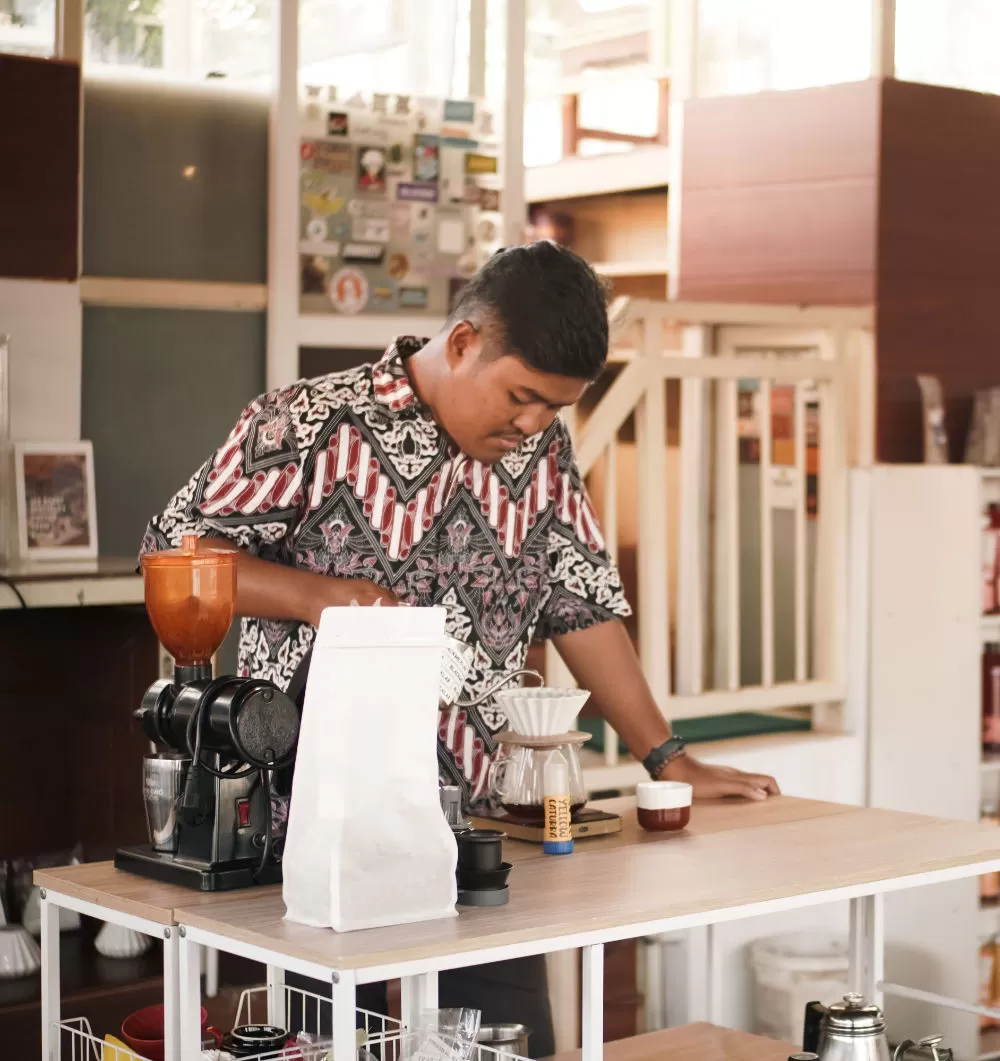
Coffee culture in the Philippines
Long before pour-overs, there was kapeng barako, the sachet at the sari-sari store and the kapihan on the bench outside. Where specialty coffee actually sits in that picture.

Long before pour-overs, there was kapeng barako, the sachet at the sari-sari store and the kapihan on the bench outside. Where specialty coffee actually sits in that picture.
A Spanish friar planted the first trees in Batangas in the 1740s. A century later the Philippines was the world's fourth-largest coffee exporter. Then a blight took nearly all of it. Here is that history, plainly told.
Height is printed on every bag we sell and read as a score more often than it should be. What the number actually describes.
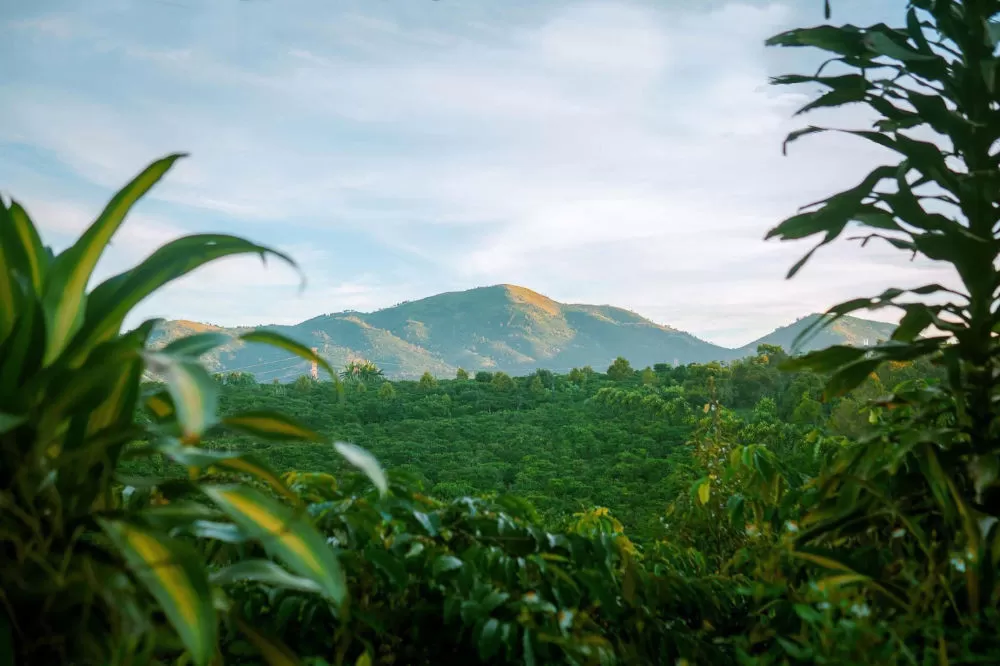
Buying from the farm rather than from the market, and the problems that does not solve.
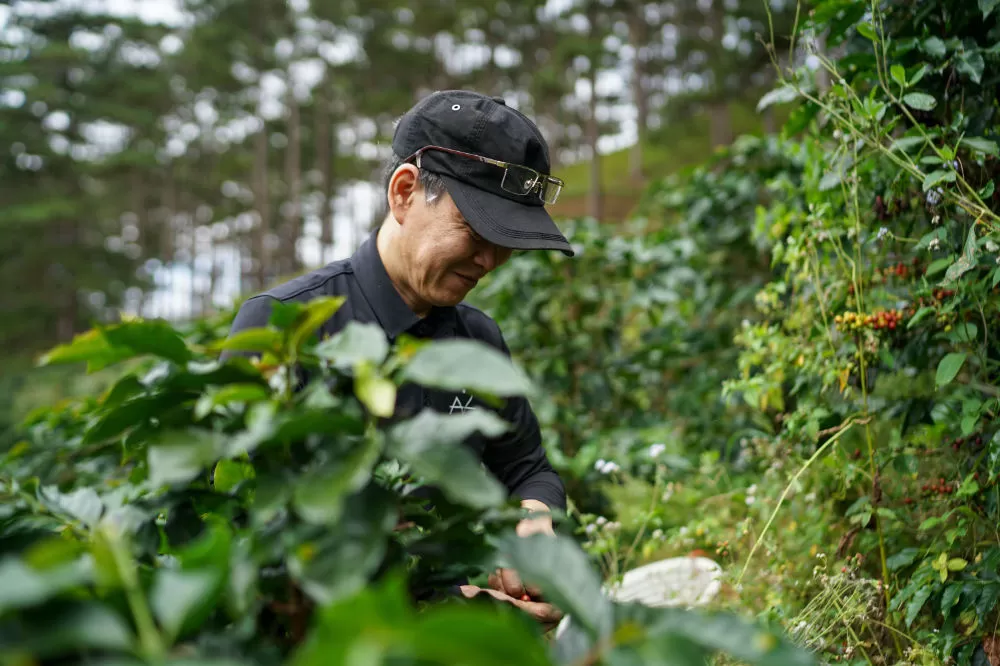
The fruit comes off before the coffee dries. What that removes, what it reveals, and why it is the hardest process to hide behind.
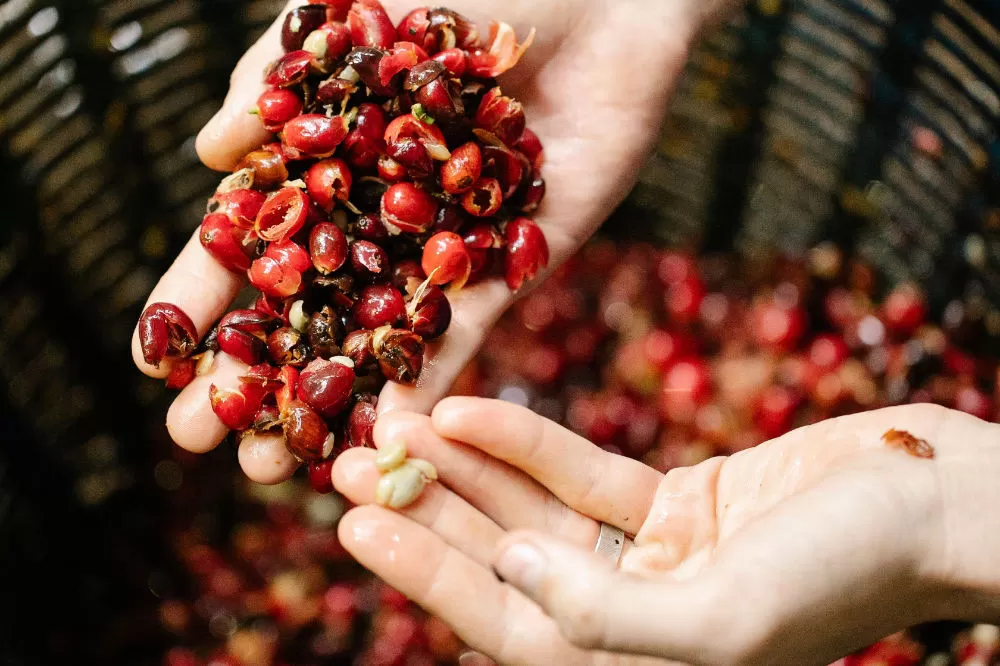
The word is on half the bags in specialty coffee and means very little on its own. Here is what it means when we use it.
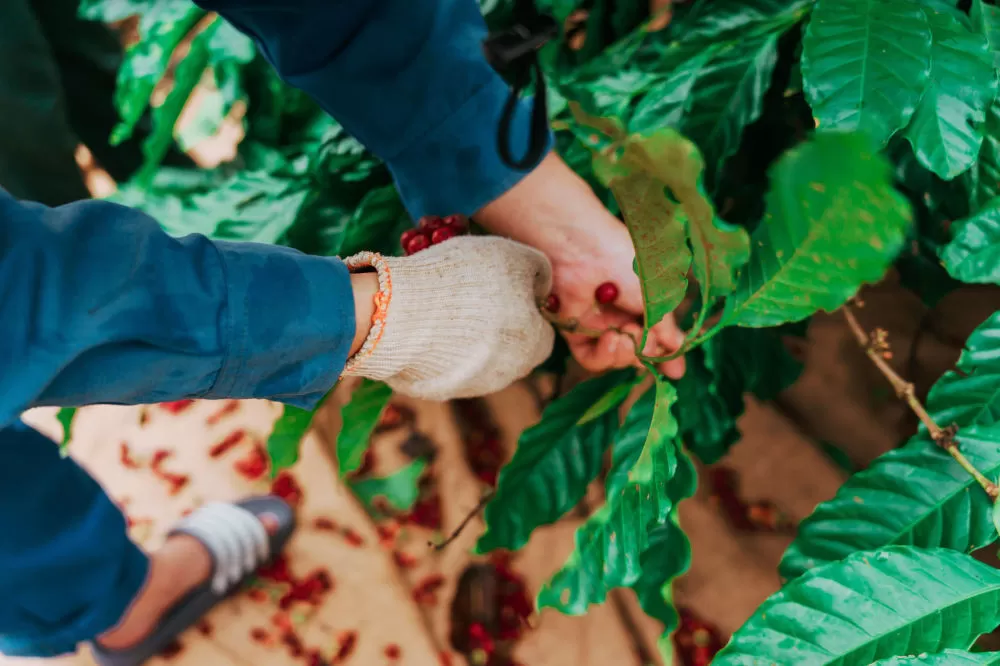
The country grew coffee in volume once, lost it, and is quietly growing it again. Why we buy from the highlands we live beside.