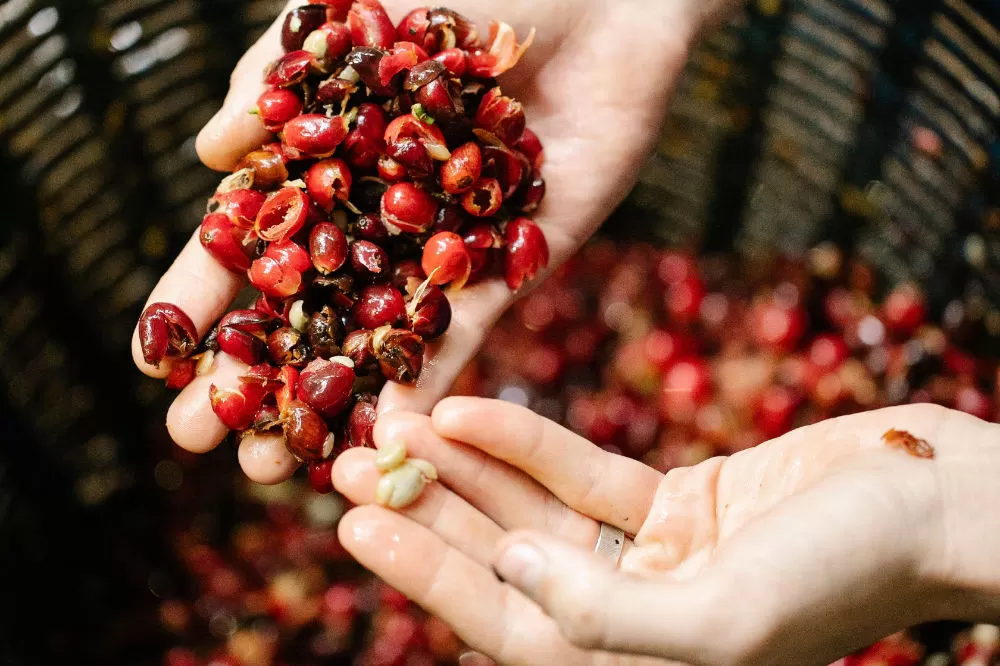
A coffee cherry is a fruit with two seeds in it. Everything called processing is the business of getting the seeds out and dry enough to store, and the order in which that happens changes the taste more than the roast does.
Washed is the method that takes the fruit off first.
The steps
- The cherries are floated in water. The unripe and the hollow rise and are taken out.
- A pulper strips the skin and most of the flesh, leaving the seeds in parchment with a layer of sticky mucilage on them.
- They rest in tanks, usually between twelve and thirty-six hours, while natural fermentation breaks that mucilage down.
- They are washed in channels until the parchment squeaks clean between your fingers.
- They dry — on patios, on raised beds, or in a mechanical dryer — until the moisture sits near eleven per cent.
Fermentation is the variable
Everything else on that list is mechanical. Fermentation is not. It is biology running at whatever speed the weather allows, which is why the same tank takes eighteen hours in the Cordillera in January and half that on a warm afternoon in Tarrazú.
The mill's job is to stop it at the right moment. Too early and the mucilage clings, and the coffee dries unevenly and tastes muddled. Too late and the ferment goes past clean acidity into something sour and vegetal that no roaster can correct.
Why washed coffee tastes the way it does
Removing the fruit before drying removes most of the sweetness and body the fruit would otherwise have contributed. What is left is the seed itself — the variety, the soil, the altitude, the care taken at picking. Washed coffees read as clean, bright and articulate, with acidity that is defined rather than heavy.
It is also the least forgiving process there is. There is no fruit sugar to sit over a thin lot or a careless picking. A washed coffee tells you what the farm actually did.
Why we don't currently sell one
Everything on our shelf right now is dried in cherry rather than washed — Lourdes, Apo Sandawa, Darago and Adarna are all natural or anaerobic natural, for reasons covered in our note on choosing Philippine coffee. It is not a rejection of washed coffee, just where the lots we could commit to happened to fall this year. If that changes we will say so here rather than pretend it always was this way.
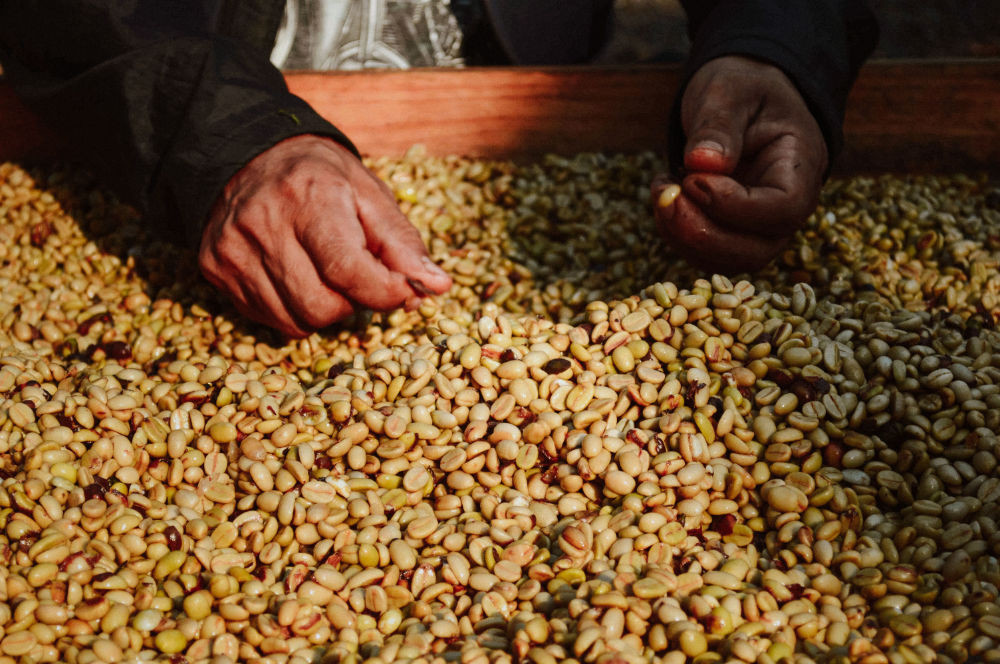
For contrast
Apo Sandawa shows the far end of the scale from washed: the cherry is sealed and fermented before it dries whole, an anaerobic natural process pushed well past a standard dry method, and the cup comes out fuller and darker — orange, cherry, chocolate. Lourdes sits closer to the middle: dried whole in the more usual way, without the sealed ferment, and the cup stays brighter for it — citrus, dark chocolate, a soft floral lift.
Same decision — leave the fruit on or take it off — answered differently by every lot we buy.
Brewing it
Washed coffees have the clarity to reward a method that shows everything, which usually means a cone. Our pour over guide is where we would start — and with a light-roasted washed coffee, keep the water hot and the grind a little finer than feels right.
The water question
Washing coffee uses water, and a mill that returns its wastewater straight to a river does real damage — the ferment liquor is acidic and strips oxygen out of the water it lands in. The mills we buy from recirculate and settle it. It is worth asking about, because it is the honest cost of this process and it is not usually mentioned on the bag.