Coffee culture in the Philippines was not built by a menu board or a barista. It was built in a kitchen, on a bench outside a sari-sari store, and in a sachet torn open before sunrise. Understanding where those habits come from says more about how coffee actually lives here than any tasting note does.
A household tradition first
Kapeng barako is usually the first coffee a Filipino meets, poured by a relative rather than bought. It is liberica, grown mostly in Batangas and Cavite, hand-pounded and boiled rather than brewed, sometimes whipped to a froth with a wooden batirol. It is a strong, particular taste that was never trying to be universal, tied to a province and a way of starting the day, and it still is. For the longer story of how that coffee shaped the country, see the history of Philippine coffee.
The cup most households actually drink
Barako aside, the everyday cup for most Filipino households is a sachet: three-in-one, coffee and creamer and sugar premixed, torn open and stirred into hot water in under a minute. It sits on the same sari-sari store shelf as rice sold by the ganta and shampoo sold by the sachet, and it follows the same logic — small, cheap, and available on a street corner before any shop has opened.
This is not a footnote. For most of the country it is the culture: the coffee that gets a jeepney driver through a shift, that sits beside a plate of rice and dried fish at a carinderia, that a work crew shares from one thermos before the day starts. Specialty coffee arrived generations after this habit was already established, not the other way round.
Kapihan
Kapihan is the word for what happens around the cup rather than in it: an invitation to sit, talk and stay a while, whether that is two neighbours on a bench outside a sari-sari store or a room of journalists at a press briefing that borrows the same name. The coffee itself is often the least interesting part of a kapihan. It is the reason to sit down, not the point of it.
That is worth remembering here. Specialty coffee talks a great deal about what is in the cup — origin, process, water temperature. Kapihan is a reminder that in the Philippines, coffee has just as often been about who you are sitting with.
Where the new rooms fit
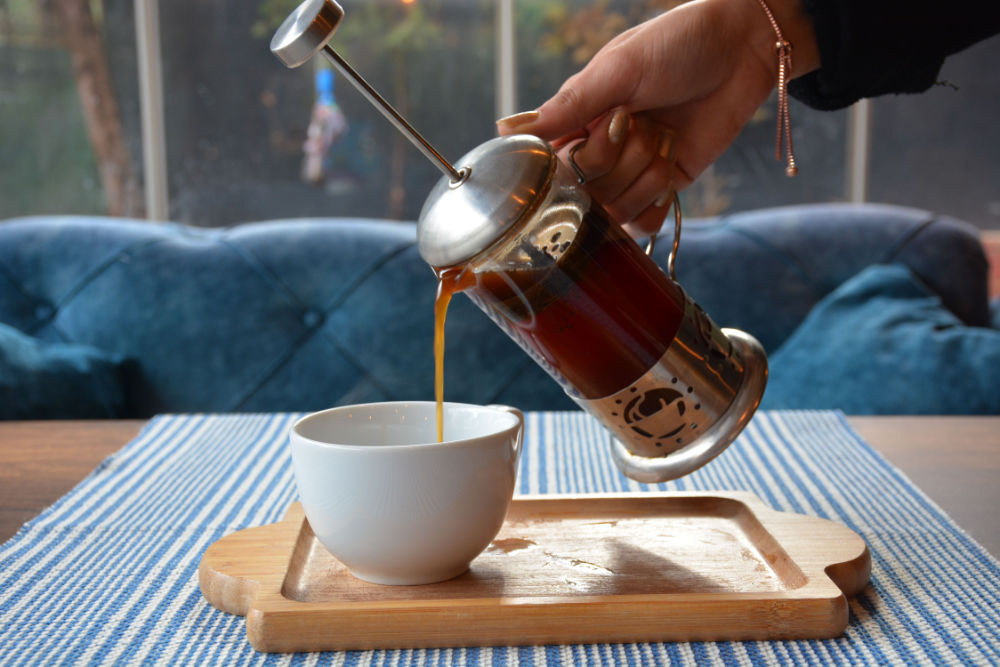
The coffee shops that have opened across Manila, Cebu and Davao over the past decade sit closer to kapihan than they might admit — rooms built for staying, not only for buying. What has changed is what is in the cup: single-origin arabica from the Cordillera or Mt. Apo, brewed slowly, described the way specialty coffee is described anywhere else in the world.
We are part of that newer room, and we know it. We are not trying to replace kapeng barako or the sachet on a jeepney dashboard — both will outlast most specialty coffee brands, this one included. What we are trying to add is a genuinely good cup to a country that has always found a way to make time for coffee, in whatever form it comes. Apo Sandawa, grown on the mountain half the country can see from somewhere, is as good a place to start as any.