
A micro-lot is a small quantity of coffee kept separate from everything else because someone believed it was worth the trouble. That is the whole of the definition. There is no governing body, no minimum standard and no agreed size, which is why the word appears on so many bags and carries so little weight on its own.
It is still a useful idea. It just needs the detail underneath it.
A lot, first
A lot is a quantity of coffee that stays together from the mill to the roaster. Most of the world's coffee is lotted by convenience: everything a district delivers in a week is pooled, milled together and sold as one thing. The result is consistent and anonymous. No farm in it can be tasted, and no farm in it can be paid for being better than its neighbours.
What makes it micro
A lot narrows when a producer decides to separate something, usually by one of these:
- A single farm, rather than a district or a co-operative's pooled delivery
- A single field or block, where the trees are one variety and one age
- A single day's picking, when the cherry came in unusually ripe
- A single fermentation or a single drying bed, run differently to the rest
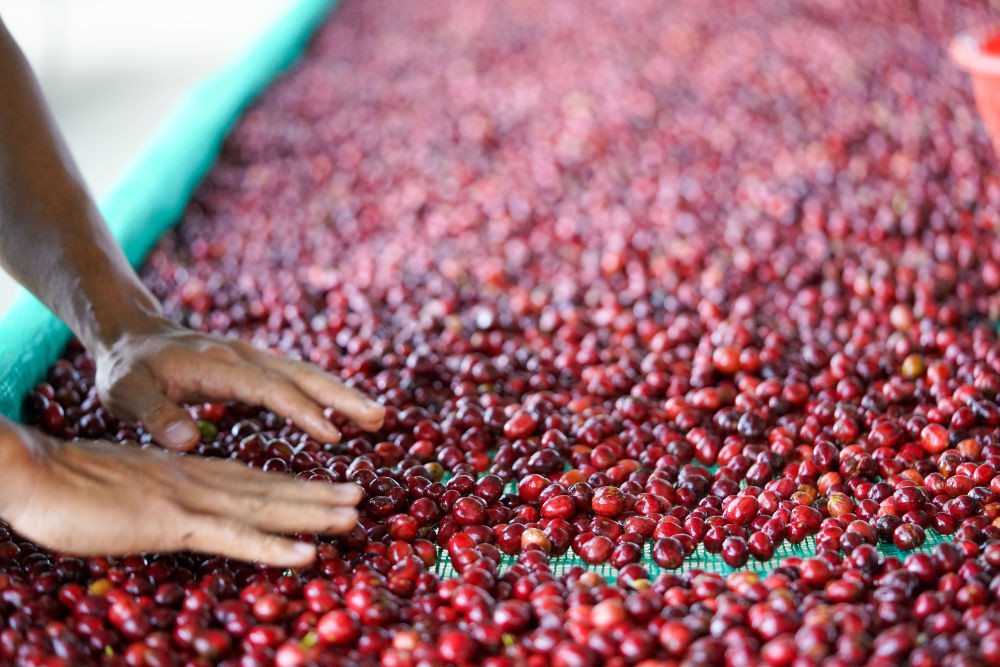
Each separation costs something. Tanks and drying beds have to be emptied and cleaned, records kept, sacks marked and stored apart. A mill running one small lot at a time is a mill running slowly.
Why separate at all
Because averages hide the good with the bad. A grower with one exceptional block gets nothing for it if that block is tipped in with the rest. Separating it is the only way its quality can be tasted, and therefore the only way it can be paid for. That is the actual argument for micro-lots, and it is an argument about money before it is one about flavour.
What it means for the cup
Smaller lots are less averaged, so they taste more particular — and sometimes more strange. Apo Sandawa is the clearest example we carry: Catimor cherry sealed and fermented whole before it dries, an anaerobic natural process pushed well past a standard dry method. It comes out fuller and darker than a typical natural — orange, cherry, chocolate, nuts — and does not taste much like a typical Philippine cup.
Lourdes is the other kind of small lot — not experimental at all, just one family's terraces above Ambasing in Sagada, picked in narrow passes through a short season.
The honest limitation
A micro-lot is finite. When it is gone it is gone, and next year's will not be the same coffee, because the weather was not the same weather. If you find one you love, buy enough of it. We would rather say that than pretend we can reorder.
For a coffee that is meant to be there every morning, something steadier is the better answer — that is what Darago is for, an easy, dependable everyday lot we buy precisely so it does not change from bag to bag.